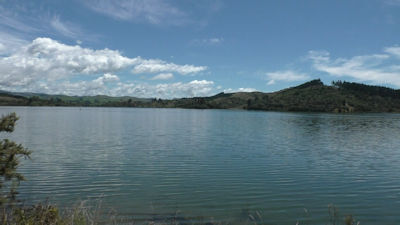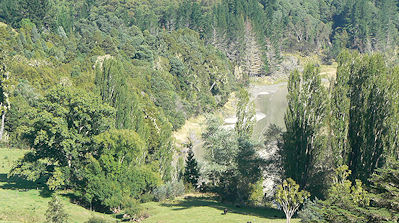
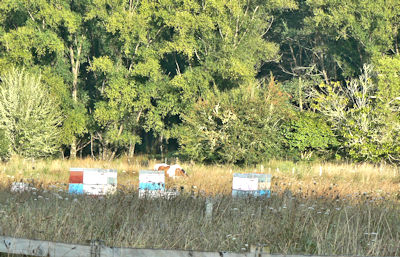
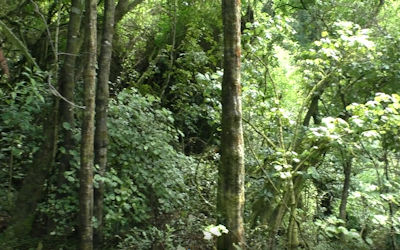
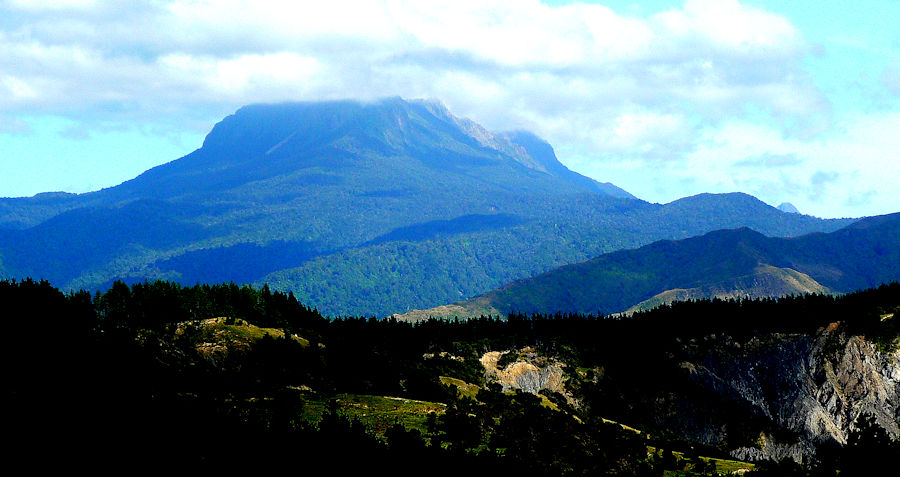
 Hikurangi Maunga, our sacred mountain, viewed from Ihungia. At the base of Hikurangi in the Raukumara forest our whanau nurture native trees and plants to supply a wealth of nutritious ingredients unique to Aotearoa. These foods not only supply nutrition but many have well known medicinal and healing effects.
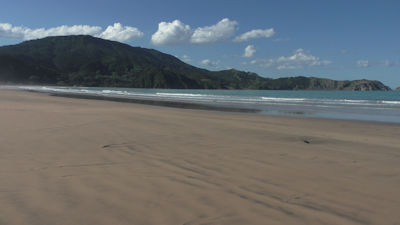
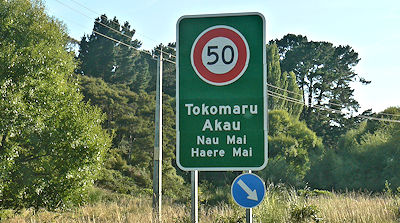
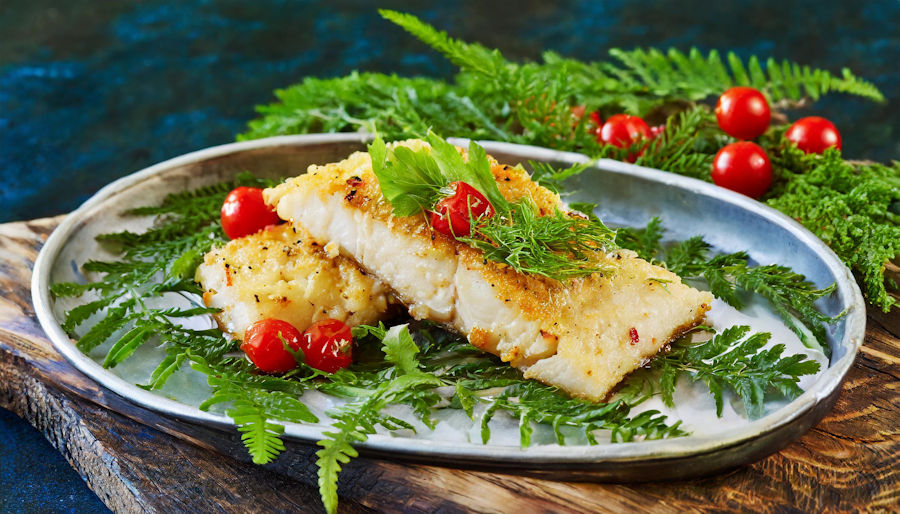
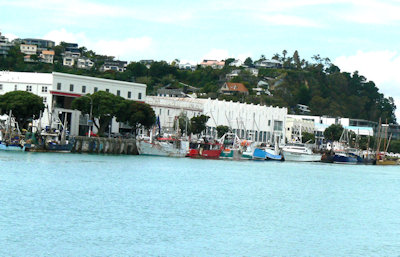
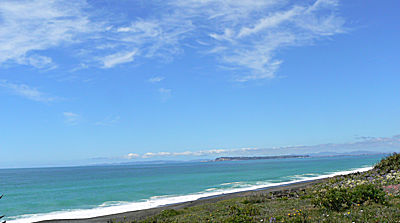 Te Matau-a-Maui (The Fish hook of Maui) - Hawkes Bay viewed from Whirinaki, whenever possible (weather permitting) whanau use their fishing vessel at Ahuriri to catch kai moana to supply the cafe. Fishing is an important traditional occupation for Maori and we use sustainable long line techniques to catch fresh Tamure (New Zealand Snapper) for our cafe menu. Other whanau regularly collect shellfish, crayfish and kina from the coast between Ahuriri and Tokomaru Bay, harvest edible seaweeds and spear Patiki (sand flounder) in the shallow lagoons near Mahia
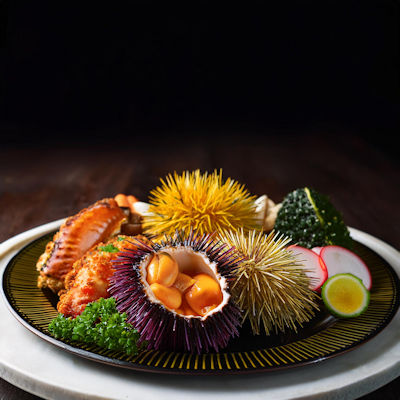 At Hei Matau cafe, we only feature kai on our menu which represents genuine food which would have been available to our ancestors, prior to the arrival of Europeans. Maori in New Zealand thrived for hundreds of years in a country which was abundant in natural food sources. Using the traditional cooking methods of the Pacific people, we are able to transform the wild ingredients from the sea and forest into authentic dishes which meet the expectations of modern toursits but accurately represent the genuine Maori culture and traditions. All native, wild and natural food sources are considered, but we do not use man made ingredients which could not have existed in traditional Maori culture. This is an important point of difference between the genuine Hei Matau cafe and other food vendors claiming to offer Maori kai - there is no fried bread or "boil-up" at Hei Matau!
 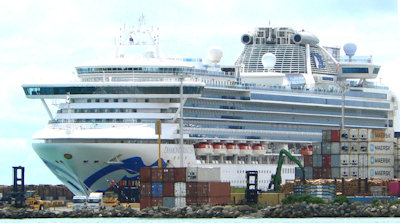 Cruise Ship in Ahuriri
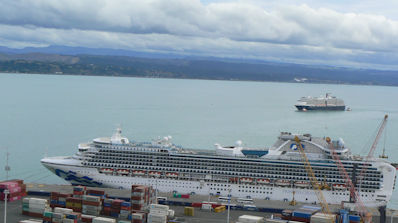 Cruise Ships in Ahuriri
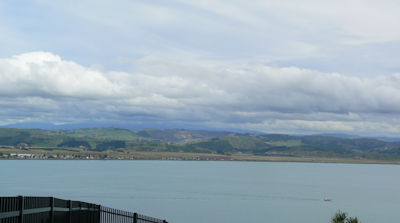 Hawkes bay view from Bluff Hill
Hawkes bay view from Whirinaki
Hawkes bay view from Bluff Hill
Hawkes bay view from Whirinaki
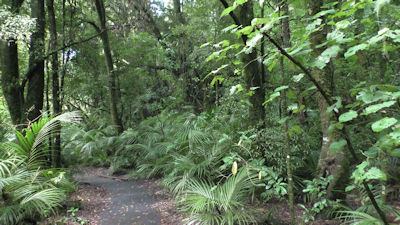 White Pine Bush